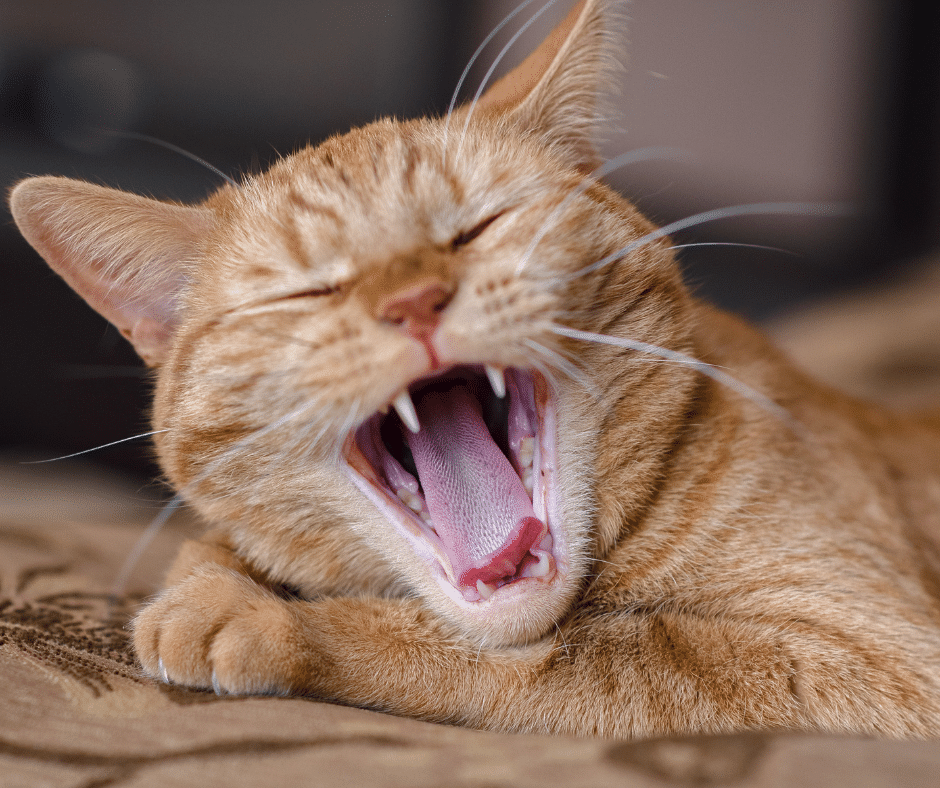
Bad breath might seem like a normal part of living with a pet, but persistent bad breath can actually be one of the first signs that something is wrong with their dental health.
Dental disease is common in dogs and cats, and because problems often develop gradually, it can be easy for owners to miss the early warning signs. Pets can also be surprisingly good at continuing to eat and behave normally despite having a painful mouth.
Understanding what to look out for, and taking steps to protect your pet’s teeth before problems become advanced, can make a real difference to their comfort and wellbeing.
Why does my pet have bad breath?
Ongoing unpleasant breath should not be dismissed as normal.
One of the most common causes is the build-up of plaque on the teeth. Plaque is a sticky film containing bacteria that develops on the tooth surface. If it is not removed, it can mineralise and become harder tartar (calculus).
As bacteria and tartar accumulate around the gumline, they can cause inflammation of the gums, known as gingivitis. Without treatment, the disease can progress deeper into the tissues supporting the teeth, potentially causing pain, infection, loose teeth and eventual tooth loss.
Bad breath may therefore be much more than an inconvenience; it can be your first clue that your pet needs a dental check.
Signs of dental disease in dogs and cats
Bad breath is just one potential sign. Other symptoms can include:
- Red, swollen or bleeding gums
- Yellow or brown tartar on the teeth
- Drooling more than usual
- Dropping food or difficulty chewing
- Chewing predominantly on one side
- Pawing or rubbing at the mouth
- Reduced interest in hard food or treats
- Loose, damaged or missing teeth
- Swelling around the mouth or face
- Becoming reluctant to have their face or mouth touched
Some pets may become quieter or more irritable because their mouth is uncomfortable.
“But my pet is still eating…”
It is very common for owners to assume that their pet cannot be experiencing dental pain because they are still eating normally.
Unfortunately, eating does not rule out discomfort.
Pets need to eat to survive, and many will adapt the way they chew rather than stop eating altogether. They might swallow food with less chewing, favour one side of their mouth, or avoid particularly hard foods.
Changes can also occur so gradually that they are difficult to notice until after dental treatment, when owners often realise their pet is suddenly brighter, more playful or keener to eat.
Your pet does not need to have stopped eating or show obvious pain before your vet will recommend investigating your pet’s teeth. The aim is often to address problems before they progress further.
What happens during a dental procedure?
If your pet has significant dental disease, your vet may recommend a dental procedure under general anaesthetic.
This allows the veterinary team to examine the mouth properly and clean the teeth thoroughly, including areas that cannot safely or effectively be treated while your pet is awake.
A scale and polish removes plaque and tartar from the teeth. Your vet will also assess the health of individual teeth and the surrounding gums. Depending on what they find, dental X-rays may be recommended to assess what is happening beneath the gumline, and badly damaged or diseased teeth may need to be extracted.
Removing a diseased tooth might sound drastic, but a painful, infected tooth is not useful to your pet. Dogs and cats generally adapt extremely well following necessary extractions, and the priority is always to leave them with a comfortable and healthy mouth.
Can dental disease be prevented?
While not every dental problem can be prevented, good preventative care can significantly reduce plaque accumulation and help you to notice changes earlier.
Brushing your pet’s teeth is one of the most effective forms of home dental care. Ideally, this should be introduced gradually, using a pet-specific toothbrush and toothpaste. Human toothpaste should not be used, as some ingredients can be harmful if swallowed.
Starting when your pet is young can make brushing easier, but older pets can often learn to accept it too. Begin slowly, rewarding them for allowing their lips and mouth to be handled before progressing to brushing.
Dental diets, chews and other veterinary dental products may also be useful for some pets, although they should complement rather than replace regular dental checks. Speak to our team if you are unsure which products are appropriate for your pet.
It is also worth getting into the habit of looking at your pet’s mouth regularly. You may notice developing tartar, red gums, a fractured tooth or another change before it becomes a more significant problem.
Regular checks can make a big difference
Dental health is an important part of your pet’s overall healthcare, whether they are a young dog with apparently perfect teeth or an older cat beginning to show signs of dental disease.
During routine health checks, your vet can examine your pet’s mouth and let you know whether their teeth look healthy, whether preventative measures could help, or whether dental treatment should be considered.
Our Healthy Pet Club can also help with preventative healthcare costs. Members currently receive 30% off dental work, alongside other benefits including annual vaccinations, parasite protection, a yearly vet consultation and unlimited nurse consultations.
Worried about your pet’s breath?
If you have noticed persistent bad breath, tartar, red gums, changes in eating habits or anything else unusual around your pet’s mouth, it is worth having their teeth checked.
Dental disease can be uncomfortable, but identifying problems early can help prevent them from becoming more advanced.
Contact our team to arrange an appointment and give your pet something worth smiling about.