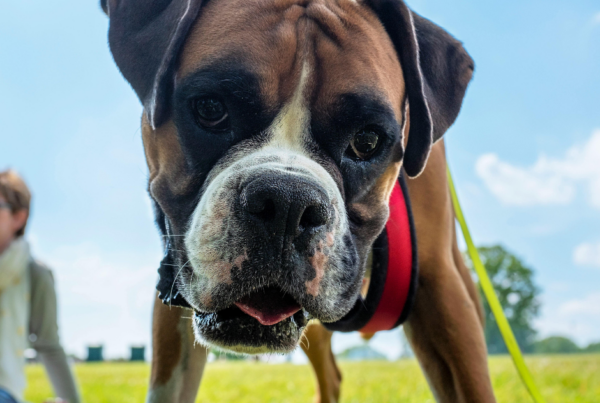

It’s holiday time! Three little words that signal the activation of fun, adventure, family time and (hopefully) sun filled days. With so many of us choosing to stay in the UK, the advantage of being able to take your pet with you seems like a no-brainer! However, whether it’s camping, glamping, that big-company-renting-out-houses or caravanning, wherever your destination takes you; travelling with pets can sometimes feel like an added pressure.
Read on for our recommended tips for making your journeys less stressful, more relaxed and taking your furry family member into account.
Preparation
It goes without saying that preparation for any change in life makes things easier. If you’re a big planner, this is probably your jam. If, however, you tend to take a walk on the wild side when it comes to prepping, you might want to break the habit. Preparing for a journey with your pet, even a small one, can be invaluable. Travelling can be stressful for any animal, so it’s also worth considering the impact of weather, change in routine and new surroundings on your pet before you go anywhere.
If your pet is on a special diet, it’s essential to make sure you have enough to take with you, and to last at least a few days when you return. (Just in case delivery needs to be taken into account.) The last thing anyone needs whilst you’re away is for your pet to be looking sadly at their empty dinner bowl! Even if they aren’t on a special diet, it’s always best to keep them on their regular food to avoid tummy upsets.
If your pet is on regular medication, consider how much you have. Is there enough to last the holiday and through the repeat prescription ordering process upon your return? On that note, it’s also worth considering appropriate storage of said medication, both during travel and when you arrive at your destination. If it’s a medicine that needs to be refrigerated, a cool box is essential.
It can also be a good time to put together a pet first aid kit. It doesn’t have to be large, just contain enough to be able to immediately sort something out until you can get them to a vet. Bandage material, some saline solution, antiseptic wipes, scissors and a tick remover can all be tucked away in a small, easy to carry bag and could be essential if you are out and about with your pet and they get into mischief.
Whilst we’re on the point of first aid, it’s also worth noting the local vet practice details and their emergency out of hours care information at your destination. Hopefully, it won’t be needed but it’s worth knowing it.
It’s also worth making sure that your pet’s microchip information is up-to-date and that the contact information in the national database is current. Most animals don’t tend to wander far from their owners whilst they are on holiday, but just in case.
Things to consider before heading out could be what you might need during your stay. This could look like anything from extra poo bags or a spare lead, to cat litter or their favourite blanket.
If you’re taking your cat, it might be worth training them to be comfortable in a harness and lead. Not only will this aid you during your stay, but it will enable you to let them stretch their legs at the rest stops on your journey.
Something to consider is how well your pet travels in your chosen mode of transport. If you know that your pet hates travelling in the car, either to due stress, anxiety or travel sickness, it might be worth speaking to us for any support they might be able to offer. It could also be beneficial, in this instance, to seek out the advice of a behaviourist, who can offer some possible training solutions that can be practised over time in the lead up to your holiday.
Finally, the last thing to prepare for is the journey itself. Which route are you taking? How long will it take? Where are the best rest stops? A certain, not-to-be-named, map app is probably your best friend at this point!
The Journey
So, you’ve prepared like the best scout out there, everything is in its rightful place to ensure optimum storage. Now is a good time to think about the location for your pet during the journey. Rule 57 of The Highway Code in the UK states that ‘animals must be suitably restrained so they cannot distract the driver or others in an event of a sudden stop’ ([1]Gov.uk). This can be in multiple different methods, such as a seatbelt harness, pet carrier/crates or dog guards. This means that if you’ve already packed the car to the brim, you might need to juggle some things around to accommodate your four-legged friend.
Hopefully you’ve had the chance to study your route by now and planned in some appropriate breaks. These should be regular for your furry friend, as they won’t be used to sitting still for a long period of time. Take them out, let them stretch their legs, go to the toilet and have some water.
If you are planning on feeding your pet during one of your stops, make sure to leave it a bit of time before resuming your journey. Not only will this, hopefully, prevent any accidents if your pet is prone to travel sickness, it will allow their food to digest a bit before travelling.
We’ve mentioned modes of transport, and the predominant one so far has been the car. That isn’t to say that trains, planes, ferries and buses don’t get a look in. Always check the relevant rules online using the company website. Most will state any requirements you need to follow to ensure a smooth journey.
It is also worth noting that if you are going abroad, you must check you have the relevant travel documents, vaccinations and worming treatment that you need for the country you’re visiting. We have a handy essential travel guide that should help answer those particular questions, Travelling Abroad With Your Pet – Riverport Vets. Anything further, we would recommend booking an appointment with us, or visiting the GOV.UK website.
After all of that, the most important thing is to have fun! Your four-legged family member will love being with you and have the best time being included in the family holiday adventure!
Pet Journey Checklist
Preparation is key!
Food
Medication
First aid kit
Vet information
Microchip information
Accessories
Lead/Harness training
Travel sickness concerns
Additional insurance
Route planning
Journey Requirements:
Safe restraints
Regular breaks
Different modes of transportation considerations
Specific location requirements
Enjoy!
[1] The Highway Code – Rules about animals (47 to 58) – Guidance – GOV.UK Visited 20.07.25