
Every year, towards the end of October in the UK, we go through the ritual of turning our clocks back by one hour. This, for many, signals the start of dark mornings, dark evenings and a distinct lack of daylight hours. For those of us with dogs, we realise that they still need exercising, but how can we fit in two or three walks a day when there’s so little daylight around? And what about other pets – cats that like spending as much time as possible outdoors, and rabbits who live in a garden hutch – how do the shorter days and longer nights affect them?
Day and night
On the summer solstice in June, the UK can enjoy around 17 hours of daylight, but by the winter solstice in December, we only get around 7 hours. This is a huge difference and, although the change happens gradually, it can still affect our pets as well as ourselves. Not only do we get more hours of darkness, but the temperatures will drop too, and the weather often becomes wetter, windier, and even occasionally snowier. For some, this can be a welcome relief from the longer, hotter months, but for others, it makes pet ownership tricker and requires a bit of thinking outside the box to ensure they still get the physical and mental stimulation they require.
It’s a dog’s life
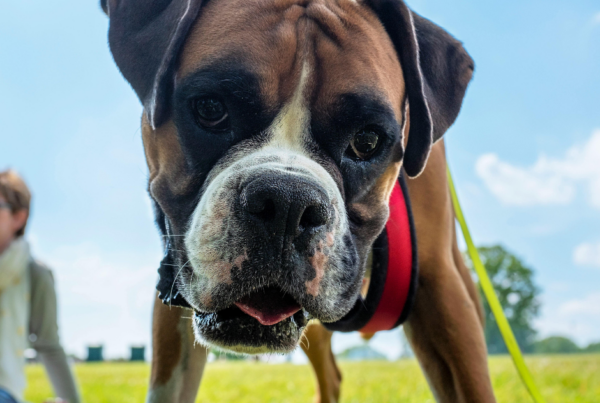
Although the changes will affect every animal, it often has more of an impact on dogs and especially their owners. Whereas in summer, it doesn’t take much effort to get up early and enjoy a cool morning stroll, the willpower needs to be stronger in winter, when it’s still dark outside and the wind is howling. Similarly in the evenings, when previously an evening ramble in the setting sun can be a very pleasant time of day, it now becomes a struggle to get in from work, don the wellington boots and waterproofs and head out again.
But dogs are creatures of habit and routine, and it goes without saying that they still need the stimulation of daily walks. For some, a change of an hour will not make much difference, but for others it can be quite confusing. For this reason, altering the times of their walks by 10-15 mins per day leading up to the clock change can help them adjust. Also, if possible, make the most of the daylight hours available and maybe do a longer walk in the middle of the day, or at least try and get some outdoor playtime in.
Mealtimes will similarly need to be adjusted, which doesn’t always go down well – as many owners will tell you that their pet seems to be able to tell the time to the nearest minute. If you do have to reduce the amount of exercise your dog gets over the winter months, bear in mind that they will not require as many calories, so their daily food allowance may also need to be altered in order to prevent problems with gaining weight (maybe this should apply to us humans too……?).
Safety first
With most of us at some point needing to walk our dogs in the dark, it’s important to stay safe and visible as much as possible. Ensure that you wear bright or highly visible clothing and deck your dog out too, with reflective leads, collars and jackets readily available. Don’t rely on your phone torch as a source of light – always carry a back-up torch or head-torch just in case. This can be especially useful if your route takes you down unlit roads or rural paths. Saying that, it may be wise to adjust routes slightly to ensure that you stay safe, avoiding isolated paths.
Although during the day it can be nice to let your dog off the lead in a large field, this isn’t advisable after dark, as they are more likely to get lost or chase off after animals such as deer or foxes that will be more active. They will also be at higher risk of injury by unseen hazards such as steep slopes or holes in the ground.
It is always a good idea to carry your phone with you out and about, especially in the dark, as accidents can happen and having a fully charged phone with a location finder on can be a life saver.
Indoor fun
If it isn’t possible to keep your dog fully entertained by limited outdoor time, you may need to get creative at home to ensure they get enough mental stimulation. There is a multitude of options available to buy, including snuffle mats, treat balls and puzzles, but don’t forget the simple things, like hide and seek, scent challenges or teaching new tricks. Not every dog will be keen or even need any extra play, but it can be highly beneficial, will strengthen your relationship with your dog and may even give you new things to try when you’re next out and about.
Cats count too
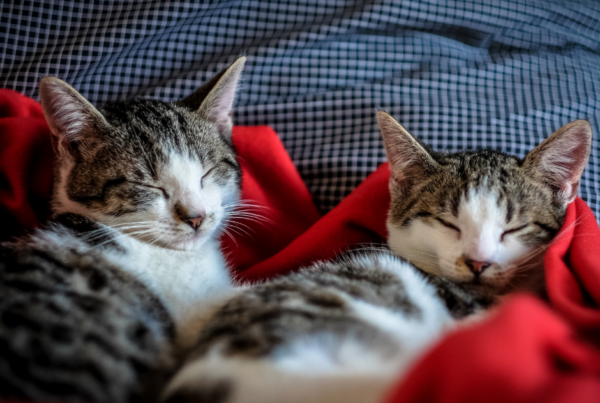
Although they don’t need walking like a dog, many cats love spending time outdoors and this can be impacted by the shorter days. Some cats simply enjoy lazing around in the warm sun, whereas others are much more adventurous. These more active types may find their activities curtailed when the weather changes or the darkness may impact where they can go. Sadly, there is also a higher risk of being hit by a car after dark, or even simply getting involved in a cat fight. If your cat is an outdoor type, it can be a good idea to have them wear a reflective collar with a cat-safe rapid-release clip, or if it suits, maybe consider keeping them indoors during the hours of darkness.
Even if your cat normally toilets outside, during this time of year, when they may be inside more, it is important to provide them with a litter tray. Some cats can be reluctant to go outside to relieve themselves in cold or wet weather, and holding onto urine or faeces can cause serious health problems. If you have more than one cat, the rule is to provide them with one litter tray each plus an extra one.
What about rabbits?
Rabbits can use natural sunlight in order to synthesise Vitamin D, so this might be a problem during autumn and winter. In addition, rabbits kept inside will not get the appropriate levels of UVB as it is blocked by glass. While the importance of sunlight generated vitamin D is not well understood in rabbits, we think it is a good idea to make the most of what sunlight is available, by getting them outside (weather dependent) whenever the sun makes an appearance – a secure run is ideal for this, as they can also get plenty of exercise and mental stimulation.
Rabbits really don’t like getting wet, so ensure any outdoor housing is waterproof and windproof but still allows ventilation. Use plenty of straw or hay for warmth and insulation, and if temperatures drop near to freezing, always bring the rabbit indoors or into a shed or garage.
Health
Just like with people, some pets seem to become depressed when the hours of daylight reduce. This may manifest as increased anxiety or restlessness or less willingness to exercise. Therefore, it is vital to do as suggested above and keep them active. If things change more than you would expect, or if there are changes to their appetite, drinking or weight, always consult a vet. Senior pets are much more vulnerable to changes in their environment, so it is always worth keeping an extra special eye on them.
When the dark nights set in, it can feel like they’re never going to end, but, in typical British style, it won’t be long until we’re complaining about the heat again. Making small adjustments to your pet’s lifestyle and your own can help make these months easier. Don’t forget to speak to a member of our veterinary team if you have any concerns.