
“Remember, remember, the fifth of November, Gunpowder treason and plot.” We all know the poem, or at least the start. For some of us it can bring excitement, autumn has settled in, cold, dark evenings envelop our days like hands cradling a hot chocolate. Cozy lights shine everywhere, and the fresh smell of bonfires, sparklers and fireworks fill the night.
However, it can be an unsettling time for our beloved pets. No-one can explain to them that their world as they know it isn’t ending. The flashing lights, sparking off in different directions. The sounds, some high pitched and others deep, ground shaking booms. The smell of burning that doesn’t seem to alarm their people, but is in fact very worrying. The crowds of people, laughing, intermittently screaming out and chatting, at a time when they normally wouldn’t be.
It can be utterly heartbreaking to watch your furry family member lose themselves in the panic of it. However, all hope is not lost; there are things you can do to alleviate their discomfort, so read on to find out how.
Preparation:
The first step is being aware that fireworks are coming up. Unfortunately, gone are the days where it was just one night that erupted in firework glory. These days, it can happen on the date, around the date, at large events, (that may or may not fall on the correct day) as well being in your neighbours’ gardens.
Sound desensitisation
In the lead up, why not play some sounds of fireworks from your smart speaker, your phone or even from your television? Take the alarm and the unknown factor out of it. Start with the volume low and gradually increase it. You can monitor your pet for their reaction but try not to act overly tense or draw particular attention to it. If this goes well, consider doing the same over a decent period of time – weeks to months if possible – gradually increasing the amount of time it goes on for. If they show signs of anxiety, please don’t force it. Turn it down, or even off. Reward the quiet and calm behaviour and try not to fuss them too much afterwards. You don’t want to overwhelm them.
Calming pheromones
It could be worth in investing in some pheromones released into the air via plug-in diffusers and/or spray for their bedding. Pheromone products for dogs are designed to mimic pheromones emitted by their mothers, aimed to induce calmness and relaxation. Those for cats mimic their facial pheromones, helping them feel safe and secure. Please do not apply them directly to your pet and always follow the instruction and advice on the packaging.
Preventing an escape
It’s worth checking that your home and garden are as ‘escape-proof’ as possible. If panicked, your pet might try and make a run for it. Flight or fight is never more real than in an intimidating situation for our pets. It’s amazing how small they can make themselves when they want to, and yet still manage to trip you on the stairs when you’re carrying laundry!
Along similar lines, it would be a good idea to check that their microchip details are up to date. Should the worst happen and they escape, you want the peace of mind to know that when found, you’re going to be notified as soon as possible.
Medications
If you know that your pet has a strong adverse reaction to fireworks, it’s always worth speaking with your vet. There are medications available, but they need to be prescribed carefully and under the right circumstances.
Showtime!
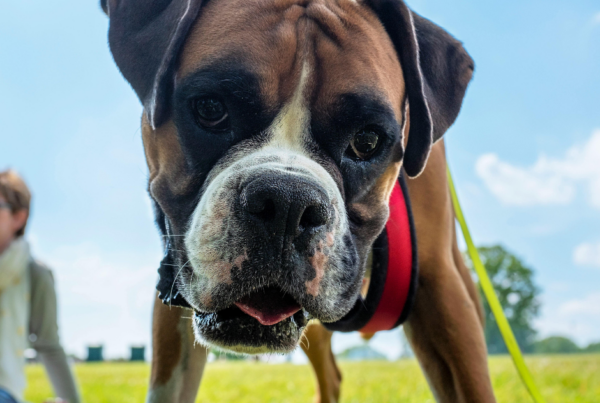
On the night in question, be that of a local display, a particular date or if your neighbours have informed you when they’re joining in, there are a few things you can do to help. During the day, if you are able to take your dog out for a long walk, it will help alleviate excess tension. You could do a lot of engaging activities, ‘scent’ play (hiding treats around) or using puzzle balls. The aim is to mentally and physically exhaust them so that they aren’t overly anxious.
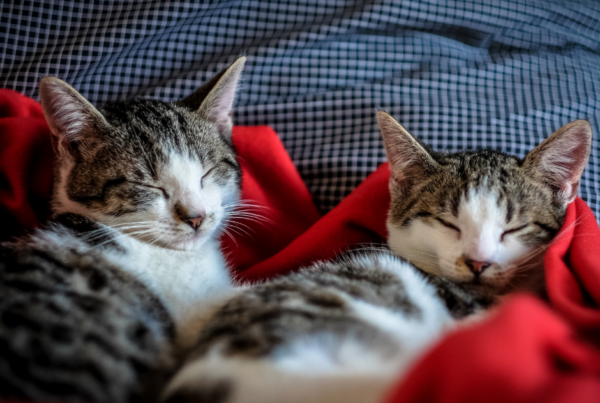
If you have a cat, keep them indoors if that’s possible. If they become more stressed at being kept in, let them out, but generally speaking, lock the cat flap and shut the windows to keep them indoors, inside and safe.
If you have small furries like guinea pigs or rabbits, please shut them in their sleeping area for the night, with extra bedding and/or hay for them to hide and snuggle in. Always make sure fresh food is available for your rabbits to try and prevent them going into a state of fear-based anorexia, which can lead to gut stasis and further health problems.
Indoors, turn on the TV, radio or your previously mentioned smart speaker. A consistent level of noise will serve as background audio and protect against those sudden bangs. There are even radio stations that play specific playlists for animals around firework night. Classical music is said to be very relaxing. If you can shut your blinds, curtains or shutters to keep as many of the flashing lights out, that’s even better.
Provide a den or a safe space for your pet to go to if they want some alone time. Try not to restrict them to one area of the house if they are used to having free access to all of it. It may panic them more if they can’t get to somewhere they want to (even if you wouldn’t normally think of it as a calm space!). Just make sure it’s all safe.
Keep to your normal routine as much as possible. Our pets are experts at sensing when something isn’t right meaning that as soon as you start ‘acting funny’, you will be noticed and watched! Calm, assertive reassurance can prove most effective at helping your furry friend through a potentially difficult time.
Providing distractions can be an exceptional use of time, it engages their minds whilst also doing something ‘fun’ for them. Think about using stuffed Kongs (other toys are available), puzzle feeders or play ‘hunting for treats’.
If you are medicating them, give the dose as per the instructions, at the appropriate time. Make sure to allow enough time for the drug to be absorbed into their system and take effect. If they hear a firework immediately after taking the drug, it will be less likely to have the desired effect. If in any doubt, please speak with your vet.
The last thing to bear in mind is to stay with them if you can. If you can’t, consider leaving the tv, radio or something playing in your absence. Otherwise, why not shut the outside world out, snuggle on the sofa and watch something great on the tv.
When it’s all over, try and act normal. Praise them when they are quiet and calm or act like nothing’s happened. Fireworks can be hard to get through but there are things you can do. Try out some of these tips and see if any can help you and your furry family member. If you are concerned about their behaviour at all, please give your veterinary surgery a call.